
Colombia - Robinson Mosquera Campo - Pink Bourbon



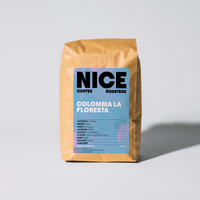


Colombia - Robinson Mosquera Campo - Pink Bourbon
OH BABY! This is a good one and it better be because it is so expensive. We are paying $12.50 per lb for this which means after roasting loss we are paying over $14 a lb for it! Wild stuff but we think it is worth it.
IMPORTANT: I am not going to roast this until I have enough orders to mostly fulfill a batch! Once enough people order I will roast it and send it out. We have never bought a coffee this spendy and we don't want to waste any! Stay patient and I will make it worth your while.
In the meantime read this wealth of information on how cool and delightful this coffee is:
Country: Colombia
Department: Cauca
Municipality: Totoró
Village: Buena Vista
Producer: Robinson Mosquera Campo
Farm: La Floresta
Product: Auction for Peace 2025 - # 21 - Bourbon Rosado - LAVADO - 867
Lot: No. 3 0268 00424
Elevation: 2050 m
Coffee Area: 1 ha
Cultivar: Pink Bourbon
Process: Washed
Main Harvest: May to August
Mitaca: November to December
Producer’s Story
Robinson Mosquera learned about coffee from a very young age. He remembers that his grandfather grew a type of coffee called “Arabigo,” with plants so tall that they had to use a ladder or tie down the branches to harvest. Since then, coffee has always been part of his life. As a teenager, he traveled through different regions of Colombia —Huila, Antioquia, and Caldas— working on coffee farms. In each place, he learned something new: from planting and harvesting to processing and drying. Over time, all that experience became a practical school that taught him to understand coffee beyond daily work.
Years later, he met his wife and decided to settle in Totoró, Cauca. There, they began by planting. a thousand coffee trees on his father-in-law’s land, gradually strengthening their work as coffee growers. The good results from that first planting allowed them to save money and eventually buy their own plot nearby. On this new land, they expanded the crop and began working in a more organized way, with access to technical support and better tools.
With that experience and guidance, Robinson decided to plant the Pink Bourbon variety. Over the years, he has perfected its management and processing, combining what he learned while traveling through Colombia with the knowledge he now gains from online videos and resources. His goal today is to pass on his experience to his children so they can continue the family’s work and keep the coffee tradition alive in Cauca.
Farm Maintenance
To keep the coffee trees in optimal condition, the plantation is weeded every three to four months, depending on the weather. This is done to control vegetation that may overgrow and compete with the coffee plants for nutrients, water and sunlight, and to ensure that farmers can easily move around the plantation for various activities, including harvesting.
Another key activity for maintaining the coffee trees in good condition is “plateo,” which involves cleaning the ground around the base of the trees, typically using a machete. This practice ensures that fertilizers and soil amendments reach the coffee tree’s roots directly, rather than being absorbed by surrounding weeds and grasses.
Re-re and sanitary pruning are also practices that maintain the health of coffee trees. These tasks involve removing dry, damaged, or fallen cherries from the ground, as well as diseased leaves and branches. By collecting and removing this material from the plantation, Robinson helps prevent the spread of infections, keeping the remaining trees healthy and productive.
Complementary crops are planted among the rows of coffee trees. These crops, such as plantains, yucca, and fruit trees, provide natural shade, which helps protect coffee plants from harsh sunlight, heavy rains, and other extreme weather conditions. The shade they offer reduces soil evaporation, helping to retain moisture and prevent erosion. The organic matter from their leaves, fruits, and branches enriches the soil, improving its fertility and structure.
These complementary crops also provide additional benefits to coffee farmers, such as food for their families and extra income when sold at local markets, creating a diversified farming system.
Fertilization
Every four months, the coffee trees are fertilized with a blend of major and minor elements to ensure healthy growth and high-quality beans. Fertilization is carefully coordinated with rainfall, as rain is essential to dissolve the fertilizers and carry the nutrients into the soil, where they can be absorbed by the coffee trees' roots. Without adequate rainfall, fertilizers may remain on the soil's surface, making them less effective and increasing the risk of nutrient loss through runoff.
It's important to understand that not all fertilizations are the same. The proportions of nutrients applied vary depending on the developmental stage, health, and specific soil conditions. For instance, younger trees may require more nitrogen to promote vegetative growth, while mature trees producing cherries need a balanced mix of nutrients to support fruit development and maintain soil fertility.
Harvest
The coffee harvest typically begins in May and ends in August; however, climate change has brought variability to the harvest seasons, causing them to shift earlier or later than usual. Additionally, the altitude at which coffee is grown plays a crucial role in the maturation process.
At higher elevations, cooler temperatures slow the ripening of coffee cherries, allowing them more time to develop complex flavors and aromas. This slower maturation is one of the key factors contributing to the exceptional quality and unique profiles of high-altitude coffees.
Cherries are picked every 15 days when they reach a pink Salmond color, indicating optimal ripeness. To ensure only fully mature coffee is harvested, workers are paid a higher price per kilogram compared to other farms, incentivizing meticulous selection. Harvesting is carried out by family members, people from the local town, or even neighboring coffee farmers, as they have the experience to carefully select only the ripe cherries. Any unripe (green) cherries that are accidentally picked are deposited into a separate bag to prevent mixing with the mature ones.
After harvesting, the cherries go through a process known as balseo to ensure quality. The freshly picked cherries are placed in water, where floaters (defective cherries) are separated from the denser, high-quality cherries that sink to the bottom. This step is essential for removing underripe or damaged cherries that could affect the final coffee's flavor.
Fermentation
Robinson and his team harvest coffee cherries throughout the day. In the afternoon, the cherries are weighed and cleaned, then left overnight in plastic containers. About eight hours later, early the next morning, the cherries are pulped and transferred to plastic tanks, where they undergo fermentation for 24 hours. The following day, the beans are washed and prepared for drying.
Infrastructure
Pulping machine, plastic tanks, parabolic solar dryer.
Drying Method
The coffee is dried in a parabolic solar dryer for about four to twenty days. Because of the high altitude of the farm, the drying process takes longer than in lower areas. During this time, the coffee is moved four times a day to ensure uniform drying. This careful handling prevents uneven moisture levels that could lead to mold growth or other quality issues. Robinson determines when the drying is complete by manually threshing a small sample in his hand and assessing its color and aroma to decide if the coffee is ready for storage.
Storage
Coffee is stored in coffee sacks and placed in a warehouse over wooden pallets for 15 to 30 days, allowing it to stabilize. This process ensures that the coffee reaches a consistent moisture content and temperature throughout, which helps preserve its flavor and quality. Additionally, stabilizing the coffee reduces the risk of deterioration.
About the Pink Bourbon cultivar:
The Pink Bourbon is a variety of Arabica coffee that has emerged due to a natural genetic mutation in the department of Huila. Although it was initially believed to be a hybrid of Red and Yellow Bourbon, studies have revealed its genetic relationship with Ethiopian Landrace varieties. Therefore, its exact origin is still a mystery under investigation.
Trees of this variety are characterized by a medium-low growth habit, thick stems and long branches compared to other varieties. The young leaves are light green in color, while the mature leaves are dark green. The cherries of this variety are round, large and pink in color; this is where the name comes from. Pink Bourbon coffee has a large amount of glucose that gives it a silkier body and texture in the cup. This characteristic, added to its distinctive flavor, makes it a very desirable choice for lovers of quality coffee; however, it is important to mention that Pink Bourbon coffee is a difficult variety to cultivate and is not easily found in the market. Its rarity and the complexity of its production make it a very exclusive coffee.