
Ethiopia - Shakiso Jigesa


Ethiopia - Shakiso Jigesa
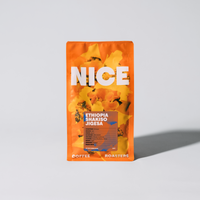
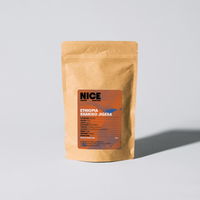
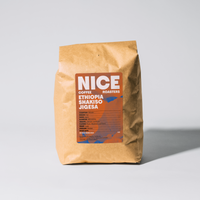
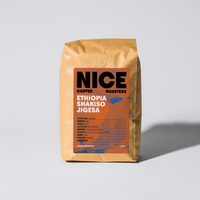
OOOOOOOHHHHHHH BABY are we excited to kick off a partnership with a staple in the good good of the coffee world, Red Fox. They got us this beautiful Ethiopia fresh off the boat and we are pumped to have it. It will be buddying up with the Rwanda real soon in the Super Bloom blend but you can enjoy it immediately as a single origin. It's tasty as heck. Thanks Dathan!
Country: Ethiopia
Region: Guji
Province: Oromia
District: Oddo Shakiso
Community: Jigesa
Elevation: 1850-2100M
Farm Area: 0.1-2 hectares on average per producer
Cultivar: Ethiopia landraces
Process: Washed
Fermentation: 36-48 hours in cement tanks
Drying: 5-7 days under parabolic plastic covers
From Red Fox:
"Jigesa is a remote woreda in Ethiopia’s Guji region. The name Guji comes from a tribe of the Oromo people. Shakiso, the district where this coffee is produced, is located in the East Guji Zone of Oromia, about 500 kilometers south of Addis Ababa. Odo Shakiso is bordered by the Dawa River to the south, Bule Hora to the west, Uraga to the northeast, Bore and Adola to the north, and Liben to the east.
Jigesa’s terrain is rugged and mountainous, so the distance to individual farms varies depending on their location on the mountain. The closest farms to the city are about 10 minutes away by motorcycle, while the farthest are an hour out.
Most farms are accessible by dirt roads. During the harvest, producers transport bags of cherries by motorcycle, horse, or donkey to the nearest collection center. These bags are then taken by truck to the central collection center in Jigesa. While transportation is generally manageable, the rainy season in November and December often complicates the process. This period overlaps with the harvest season and brings temperatures of around 25 degrees Celsius with increased humidity. These conditions are ideal for the coffee plants but create muddy roads that challenge field logistics.
Producers in Jigesa intercrop their coffee with native species such as false banana trees, which help provide shade and enrich the soil. Since all coffee is delivered in cherry form, there is no pulp waste to compost on the farms. Instead, collection centers prepare and store organic compost and distribute it among producers. The coffee is fermented in cement tanks for 36 to 48 hours and then dried under plastic parabolic covers for five to seven days, depending on the weather.
Most producers in the area belong to the Gedeo culture and speak the Gedeo language. Cultural traditions remain strong, and animals such as birds, dogs, and cats are treated with great respect. Because many farms are remote, access to clean water, electricity, and education remains a major challenge. Children from the most distant farms often begin working at a young age. Opportunities beyond the region are limited, and moving to other cities is difficult due to significant educational gaps.
Many young people choose to stay on their parents' farms or acquire neighboring land to continue working in coffee for the rest of their lives.
Jigesa is a very important area for Red Fox. Each year we observe improvement in both farm practices and coffee quality. The producers of Guji are doing their best to care for their farms and produce the highest possible quality."